
Oh, poached eggs! They used to intimidate me too—until I realized they’re actually the easiest, most elegant breakfast you can make with just eggs and hot water. I’ll never forget the first time I nailed that perfect runny yolk and silky whites at home. It felt like unlocking some chef-level secret, but really? It’s all about fresh eggs and a gentle touch. Now I make perfect poached eggs almost daily—tucked over avocado toast, floating in ramen, or just with a sprinkle of flaky salt. Once you get the hang of it (and you will!), you’ll wonder why anyone bothers with complicated brunch recipes.
Why You’ll Love Perfect Poached Eggs
Trust me, once you master this method, you’ll be hooked. Here’s why:
- Quick magic: From fridge to plate in under 5 minutes—faster than scrambling!
- Minimal ingredients: Just eggs, water, and a splash of vinegar (that’s probably already in your pantry).
- Foolproof texture: Silky whites and custardy yolks every single time—no more rubbery disasters.
- Endless versatility: Slide them onto toast, salads, or even leftover pizza for instant gourmet flair.
Plus, watching that whirlpool work its egg-poaching magic never gets old. It’s like breakfast and a science experiment rolled into one!
Ingredients for Perfect Poached Eggs
Here’s all you need—and yes, it’s really this simple:
- 2 large eggs: Freshness is key! Older eggs spread too much in the water.
- 1 teaspoon white vinegar: Just a splash helps the whites stay tidy.
- 4 cups water: Enough depth for the eggs to float freely.
- Salt: For finishing—wait until after poaching or it’ll break down the whites.
That’s it! No fancy ingredients, just good eggs treated right.
Equipment You’ll Need
Grab these basics—you probably already have them:
- Saucepan: A 2-quart size works perfectly for swirling room.
- Slotted spoon: Your egg-lifesaver for gentle transfers.
- Ramekins or small bowls: For ing eggs neatly before their hot water plunge.
No special gadgets needed—just everyday kitchen tools!
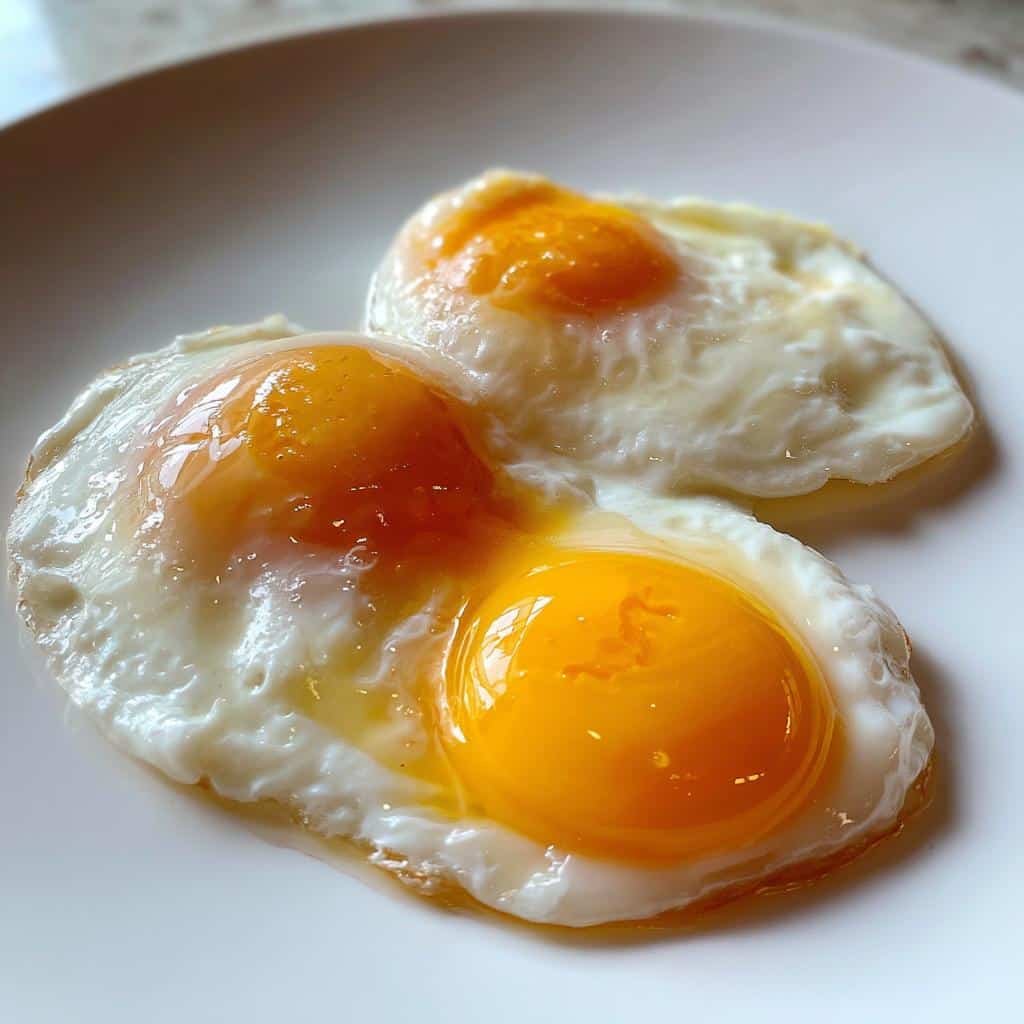
How to Make Perfect Poached Eggs
Let’s get cooking! This is where the simple ingredients turn into something magical. Follow these steps, and you’ll have restaurant-quality eggs on your plate in no time.
Step 1: Prepare the Water
Pour your water into the saucepan and stir in that splash of white vinegar. Bring it to a gentle simmer—you’re looking for tiny bubbles kissing the bottom, not a rolling boil! A rolling boil is way too aggressive and will tear your delicate egg whites apart before they even set. We want a gentle spa day for the egg, not a hurricane. Low and steady heat is the secret here.
Step 2: the Eggs
each egg into its own little ramekin or small bowl before you even think about the stove. Do this step! Trust me, fishing for tiny shell shards in a pot of hot water is nobody’s idea of a relaxing morning. Plus, having them ready in bowls means you can slide them into the water in one smooth, confident motion.
Step 3: Create the Whirlpool
Now for the fun part—grab a spoon and swirl it through the water to create a gentle vortex. This whirlpool technique is my favorite trick; it helps the white wrap around the yolk neatly so you don’t get those wispy, flyaway strands. It looks like a mini science experiment, but it works like a charm every time to keep the egg compact.
Step 4: Cook the Eggs
Gently slide those eggs right into the center of your swirling water one at a time. Set your timer immediately! For that glorious, golden runny yolk, cook for exactly 3 minutes. If you prefer your yolks a bit more set, let them go for 4 minutes. You’ll know they’re done when the whites are opaque and fluffy, floating like little clouds on top of the water.
Step 5: Drain and Serve
Lift them out carefully with your slotted spoon. Give the spoon a gentle shake to let the excess water drain off. I like to rest them briefly on a folded paper towel just to dry them off. Season with a pinch of salt immediately while they’re piping hot and serve them right away. They just don’t wait for anyone!
Tips for Perfect Poached Eggs
After making hundreds (maybe thousands?) of poached eggs, here are my can’t-live-without tips:
- Egg freshness test: Drop your egg in a bowl of cold water—if it lies flat on the bottom, it’s fresh and perfect for poaching!
- Keep it gentle: That water should barely bubble. Think “hot tub” not “rolling boil.”
- Vinegar swap: Out of white vinegar? Lemon juice works in a pinch!
- Batch cooking: Poach eggs ahead and store them in cold water in the fridge—just reheat in warm water for 30 seconds.
Remember: fresh eggs + gentle heat = poaching perfection!
Common Mistakes to Avoid
Even pros mess these up sometimes—here’s what to watch for:
- Overcooking: That timer isn’t optional! One extra minute turns dreamy yolks into chalk.
- Skipping vinegar: Without it, whites go rogue and spread everywhere like spilled milk.
- Boiling water: Aggressive bubbles shred delicate whites—keep it at a shy simmer.
- Old eggs: They’ll feather out in the water instead of staying neat little packages.
My worst fail? Forgetting to swirl the water first—ended up with egg “jellyfish” instead of perfect poached eggs!
Serving Suggestions for Perfect Poached Eggs
Oh, the places these golden beauties can go! My absolute favorite? Perched on thick sourdough toast with smashed avocado and chili flakes. But don’t stop there—try them:
- Nestled in a grain bowl with roasted veggies
- Floating atop creamy polenta
- On a bed of crispy greens with lemony vinaigrette
- Or my guilty pleasure: right over last night’s leftover pasta
Basically, if it’s edible, a poached egg will make it better. Trust me.
Storage and Reheating
Poached eggs shine brightest fresh from the pot—that silky texture just can’t be beat! But if you must save them, store cooled eggs in a bowl of cold water in the fridge for up to 24 hours. To reheat, gently warm them in simmering water for 30 seconds—just enough to take the chill off without overcooking that precious yolk.
Nutritional Information
Just a quick heads up—these numbers are estimates since egg sizes and exact ingredients vary. But here’s the scoop on what you’re getting with each perfect poached egg:
- Calories: About 72 per egg
- Fat: 5g (mostly the good-for-you unsaturated kind)
- Protein: 6g of nature’s perfect protein
- Carbs: Basically zero—it’s pure protein power!
Not bad for something that tastes this indulgent, right? The vinegar and water add no calories, so what you see is what you get from those gorgeous eggs.
FAQs About Perfect Poached Eggs
Over the years, I’ve gotten every poached egg question under the sun—here are the ones that come up most often:
Can I poach eggs without vinegar?
Absolutely! The vinegar helps the whites coagulate faster, but if you’re out, just use fresh eggs and keep that water at the gentlest possible simmer. The whites might spread a tad more, but you’ll still get delicious results.
How do I know if my eggs are fresh enough?
Do the float test! Drop the egg in a bowl of cold water—if it sinks and lies flat, it’s fresh. If it stands upright or (gasp) floats, save it for baking instead. Fresh eggs have tighter whites that hold their shape beautifully in the water.
Why do my eggs have wispy strands?
Those “angel wings” happen when the water’s not swirling enough or the eggs are older. Try swirling the water more vigorously before adding the egg, or use fresher eggs. A little vinegar helps keep those wisps in check too!
Can I poach multiple eggs at once?
Yes! Just use a bigger pot and give each egg its own little space. I like to slide them in one by one, waiting about 10 seconds between each. The whirlpool helps them stay separated—it’s like a little egg merry-go-round in there!
Ready to Make Perfect Poached Eggs?
Go on—give it a whirl! Once you taste that first glorious, golden yolk oozing over your toast, you’ll be hooked. And hey, if your eggs end up looking like mine did the first time (ahem, egg drop soup), just laugh and try again. You’ve got this!
Print
3-Step Perfect Poached Eggs – Foolproof & Heavenly
- Total Time: 5 minutes
- Yield: 2 poached eggs 1x
- Diet: Low Calorie
Description
Learn how to make perfect poached eggs with this easy guide. Achieve tender whites and runny yolks every time.
Ingredients
- 2 large eggs
- 1 teaspoon white vinegar
- 4 cups water
- Salt to taste
Instructions
- Bring water and vinegar to a gentle simmer in a saucepan.
- eggs into small bowls or ramekins.
- Stir water to create a whirlpool, then slide eggs in one at a time.
- Cook for 3 minutes for runny yolks or 4 minutes for firmer yolks.
- Remove eggs with a slotted spoon and drain on a paper towel.
- Season with salt and serve immediately.
Notes
- Use fresh eggs for best results.
- Vinegar helps the whites coagulate faster.
- Keep water at a gentle simmer, not a boil.
- Prep Time: 2 minutes
- Cook Time: 3 minutes
- Category: Breakfast
- Method: Poaching
- Cuisine: International
Nutrition
- Serving Size: 1 egg
- Calories: 72
- Sugar: 0g
- Sodium: 71mg
- Fat: 5g
- Saturated Fat: 1.5g
- Unsaturated Fat: 3g
- Trans Fat: 0g
- Carbohydrates: 0g
- Fiber: 0g
- Protein: 6g
- Cholesterol: 186mg
Keywords: poached eggs, easy breakfast, runny yolk, egg recipe