
Every January 1st, my kitchen fills with the warm scent of orange zest and butter as I bake our family’s Greek New Year’s cake—what we call our little “traditional delight.” This isn’t just any dessert; it’s a sweet start to the year, baked with love and a hidden coin for luck. My yiayia (grandmother) taught me that the first slice goes to St. Basil, the next to the house, then each family member from oldest to youngest. Whoever finds the coin? Well, let’s just say their year is bound to be extra special. The cake’s tender crumb and citrusy aroma make it irresistible, but it’s the tradition—passed down through generations—that truly makes it magical. Trust me, once you’ve celebrated with this cake, New Year’s just won’t feel complete without it.
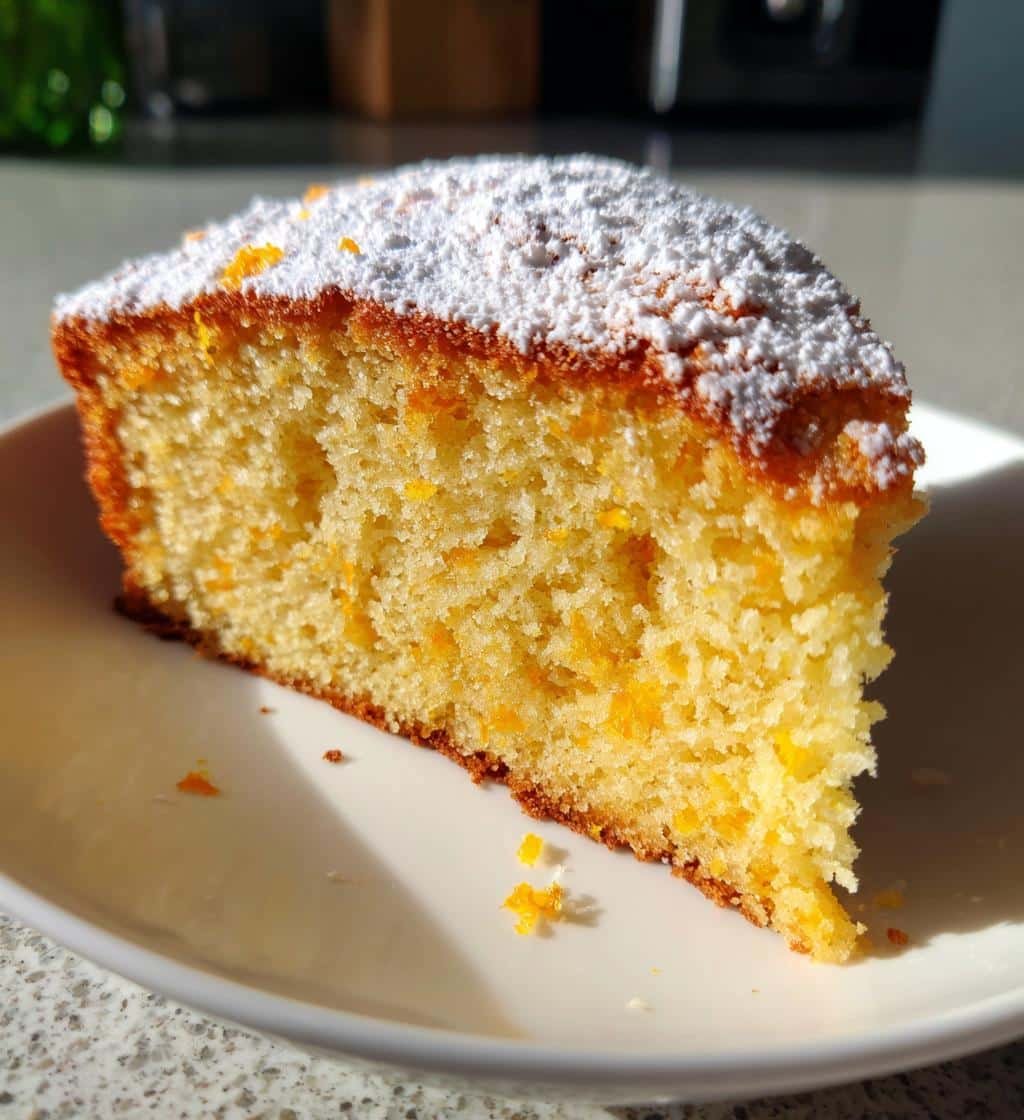
Why You’ll Love This Greek New Year’s Cake Recipe Traditional Delight
This isn’t just cake—it’s a bite of joy and luck wrapped in tradition! Here’s why it’s a must-try:
- Rich, buttery flavor with a hint of citrus—the orange zest makes it sing!
- More than dessert: That hidden coin? Pure magic for whoever finds it (kids go wild for this!).
- Connects generations: Slicing it together is our family’s favorite New Year’s ritual.
- Easy to make, yet feels fancy—no fancy skills needed!
One bite, and you’ll understand why we’ve baked it for decades. It’s happiness in a pan.
Ingredients for Greek New Year’s Cake Recipe Traditional Delight
Gather these simple ingredients—each one plays a special role in creating that perfect texture and flavor. And yes, the orange zest must be fresh; trust me, it makes all the difference!
- 2 cups all-purpose flour – spooned and leveled, not packed!
- 1 cup sugar – granulated works best for that golden crumb
- ½ cup unsalted butter, softened – leave it out for 30 minutes (no shortcuts!)
- 3 eggs – room temperature, please—they mix better
- ½ cup milk – whole milk gives the richest taste
- 1 tsp vanilla extract – the good stuff, not imitation
- 1 tsp baking powder + ½ tsp baking soda – our rising dream team
- ¼ tsp salt – just enough to balance the sweetness
- 1 tbsp freshly grated orange zest – about 1 large orange’s worth
- 1 tbsp brandy (optional) – for that grown-up warmth (yiayia’s secret)
- 1 coin – wrapped tightly in foil—this is where the luck hides!
See? Nothing fancy, but when they come together? Pure magic.
Equipment You’ll Need
No fancy tools required—just the basics from your kitchen! Here’s what you’ll grab:
- 9-inch round cake pan – the classic shape for this tradition
- Mixing bowls (2) – one for wet, one for dry ingredients
- Electric mixer or sturdy whisk – your arms will thank you
- Spatula – to scrape every last bit of batter
- Toothpick or cake tester – for that perfect bake
That’s it! Now let’s make some luck.
How to Make Greek New Year’s Cake Recipe Traditional Delight
Alright, let’s get baking! This cake comes together so easily—just follow these steps, and you’ll have a golden, fragrant masterpiece in no time.
- Preheat your oven to 350°F (175°C) and grease that 9-inch round pan really well. Nobody wants a stuck cake, especially when there’s a lucky coin inside!
- Whisk the dry stuff: In one bowl, mix the flour, baking powder, baking soda, and salt. Give it a good stir—no lumps allowed!
- Cream the butter and sugar in another bowl until it’s fluffy and pale. Use that electric mixer if you’ve got one (or channel your inner yiayia and go manual). Add the eggs one at a time, mixing well after each.
- Bring it all together: Stir in the milk, vanilla, orange zest, and brandy if you’re using it. Now, gradually add the dry ingredients to the wet, mixing just until combined. Overmixing? That’s the enemy of a tender crumb!
- Hide the luck: Pour half the batter into the pan, then nestle in the foil-wrapped coin. Cover it with the rest of the batter—sneaky!
- Bake for 40-45 minutes until the top is golden and a toothpick comes out clean. Your kitchen will smell like heaven, I promise.
- Cool completely before slicing—this is non-negotiable. The cake needs time to set, and you don’t want to melt your luck away!
Tips for Perfect Results
- Wrap that coin tight in foil—no one wants a crunchy surprise!
- Check for doneness early—ovens vary. If the top browns too fast, tent it with foil.
- Let the cake cool in the pan for 10 minutes before transferring to a rack. Patience pays off!
Ingredient Notes & Substitutions
Life happens—sometimes you’re out of an ingredient! Here’s how to adapt without losing that Greek New Year’s cake magic:
- No oranges? Lemon zest works beautifully for a fresh twist.
- Vanilla swap: Almond extract adds a lovely depth (use ½ tsp—it’s stronger!).
- Skip the brandy if needed—it’s optional, but a splash of orange juice can add moisture instead.
- Dairy-free? Plant-based butter and milk work, though the texture may be slightly denser.
Just promise me one thing: never skip that fresh zest. It’s the soul of this cake!
Serving and Storing Greek New Year’s Cake Recipe Traditional Delight
The real magic happens when you slice this cake! Here’s how we do it in my family: First slice goes to St. Basil (it’s tradition!), then the house, followed by everyone from oldest to youngest. The cheers when someone finds that coin? Priceless! Want it extra pretty? Dust with powdered sugar right before serving. Leftovers (if there are any!) keep in an airtight container for up to 3 days—just hide the coin piece so nobody accidentally bites into it later!
Nutritional Information
Here’s the scoop on what’s in each lucky slice! Per serving (1/8 of cake): ~280 calories, 10g fat (6g saturated), 42g carbs, 1g fiber, 18g sugar, 5g protein. Remember: These are estimates—your results may vary based on ingredients and that sneaky coin’s hiding spot!
FAQs About Greek New Year’s Cake Recipe Traditional Delight
Got questions? I’ve got answers—yiayia would’ve grilled me if I didn’t! Here’s what people ask most about our beloved Greek New Year’s cake:
Can I skip the coin if I don’t have one?
Technically? Yes. Spiritually? No way! The coin’s the whole point—it’s like Christmas without presents! If you’re panicking, a clean quarter wrapped tight in foil works fine. (Psst—my cousin once used a chocolate coin in a pinch. Just warn your guests!)
How do I store leftovers?
Pop it in an airtight container at room temp for up to 3 days. Pro tip: Mark the slice with the coin so nobody chomps it later! For longer storage, freeze individual slices wrapped in cling film—thaw at room temp when the luck craving hits.
Can I make this ahead?
Absolutely! Bake it New Year’s Eve—the flavors actually deepen overnight. Just wait to add powdered sugar until you’re ready to serve. That citrusy aroma? Even better on Day 2.
My cake browned too fast—help!
Ovens can be sneaky. Next time, tent foil over the top after 30 minutes. Burnt edges? Gently trim them (yiayia won’t tell!), or disguise with extra powdered sugar. It’s still lucky, I promise!
Print
5-Star Greek New Year’s Cake Recipe Traditional Delight for Good Luck
- Total Time: 1 hour
- Yield: 8 servings 1x
- Diet: Vegetarian
Description
A traditional Greek New Year’s cake, known for its rich flavor and symbolic meaning. Often served to celebrate the new year with family and friends.
Ingredients
- 2 cups all-purpose flour
- 1 cup sugar
- 1/2 cup unsalted butter, softened
- 3 eggs
- 1/2 cup milk
- 1 tsp vanilla extract
- 1 tsp baking powder
- 1/2 tsp baking soda
- 1/4 tsp salt
- 1 tbsp orange zest
- 1 tbsp brandy (optional)
- 1 coin (wrapped in foil for tradition)
Instructions
- Preheat oven to 350°F (175°C). Grease a round cake pan.
- In a bowl, mix flour, baking powder, baking soda, and salt.
- In another bowl, beat butter and sugar until creamy. Add eggs one at a time.
- Stir in milk, vanilla, orange zest, and brandy.
- Gradually add dry ingredients to the wet mixture. Mix until smooth.
- Pour batter into the pan. Insert the wrapped coin into the batter.
- Bake for 40-45 minutes or until a toothpick comes out clean.
- Let cool before serving.
Notes
- The coin symbolizes good luck for the person who finds it.
- Store leftovers in an airtight container for up to 3 days.
- For a richer taste, add a sprinkle of powdered sugar on top.
- Prep Time: 15 minutes
- Cook Time: 45 minutes
- Category: Dessert
- Method: Baking
- Cuisine: Greek
Nutrition
- Serving Size: 1 slice
- Calories: 280
- Sugar: 18g
- Sodium: 120mg
- Fat: 10g
- Saturated Fat: 6g
- Unsaturated Fat: 3g
- Trans Fat: 0g
- Carbohydrates: 42g
- Fiber: 1g
- Protein: 5g
- Cholesterol: 70mg
Keywords: Greek New Year's cake, traditional dessert, Vasilopita recipe